
Color Doppler
Home | Color Doppler
SERVICES
- Sonography
- Color Doppler
- Digital X-Ray
- Sonohsg
- USG Guided Interventions
- Obstetric
- 3D/4D
- Color 2D Echo Cardiography
- ECG
- PFT
- Blood Investigation
- Interventional Radiology
- FNAC Test
- NIPT Test
- Prostate biopsy test
- Abscess Drainage
- Breast biopsy test
- kidney biopsy test
- Liver biopsy test
- lymph node biopsy test
- Fetal Echo Test
- Fetal medicine
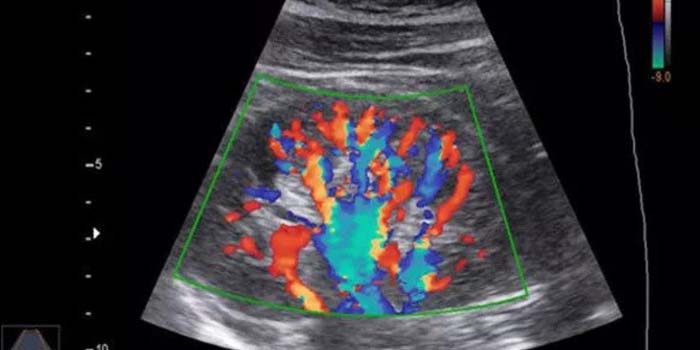
Best Color Doppler Test Center in Navi Mumbai
The Best Color Doppler Test Centre in Kharghar offers advanced noninvasive testing to evaluate blood flow through your blood vessels. A Color Doppler uses high-frequency sound waves (ultrasound) that bounce off circulating red blood cells, providing detailed images and information about blood flow dynamics.
A Colour Doppler may help diagnose many conditions, including:
- Blood clots in the vein (DVT)
- Poorly functioning valves in your leg veins, which can cause blood to pool in your legs (venous insufficiency)
- A blocked artery (arterial occlusion)
- Decreased blood circulation into your legs (peripheral artery disease)
- Bulging arteries (aneurysms)
- Narrowing of an artery, such as in your neck (carotid artery stenosis)
- The Doppler scan helps to locate a hematoma, verify the position of a metal stent placed, detects tumors and congenital vascular malformations.
- Renal artery Doppler: to look for significant renal artery stenosis in hypertensive patients
- Scrotal Color Doppler: To rule out testicular torsion
- Arterio Venous Fistula Doppler: In patients undergoing hemo dialysis for chronic kidney disorders.
- Penile Doppler: in cases of erectile dysfunction.
What Is a Color Doppler Test?
How Does Color Doppler Work?
Color Doppler uses high-frequency sound waves to create images of tissues and blood vessels. The Doppler component evaluates sound-wave changes caused by moving red blood cells.
The information obtained can help show:
- Direction of blood flow
- Relative characteristics of blood flow
- Blood flow through selected arteries and veins
- Areas where blood flow may be reduced or altered
- Certain vascular abnormalities
The radiologist evaluates the images and Doppler information along with the clinical history to prepare the diagnostic report.
Types of Color Doppler Tests
Different types of Doppler examinations can be performed depending on the area of the body and the reason for the examination. These may include:
- Venous Doppler: Used to evaluate blood flow through veins, commonly in the arms or legs.
- Arterial Doppler: Used to assess blood flow through selected arteries.
- Carotid Doppler: Evaluates blood flow through the carotid arteries in the neck.
- Renal Artery Doppler: Used to assess blood flow through the renal arteries.
- Scrotal Color Doppler: Helps evaluate blood flow in the scrotal region.
- AV Fistula Doppler: Used to assess blood flow through an arteriovenous fistula in patients undergoing hemodialysis.
- Penile Doppler: May be recommended for selected cases requiring assessment of penile blood flow.
- Transcranial Doppler: Evaluates blood-flow characteristics through selected blood vessels supplying the brain.
- Obstetric Doppler: May be used during pregnancy when blood-flow assessment is clinically indicated.
The appropriate examination is selected according to the patient’s symptoms, medical history, and clinical requirement.
Risks of Colour Doppler Scan -
Doppler Scan of Various Organs
- Arteries in the Arms and Legs: Doppler scan is done in both arms and both legs, even if the abnormality is suspected in one limb. This is done so that the vascular system can be compared between the two limbs.
- Veins in the Arms and Legs: Changes in blood flow that occur as a response to your breathing patterns are noted. A compression maneuver, pressing the probe close to the surface of the skin on the veins, at different points is done.
- Arteries of the Neck or Carotid Arteries: The Doppler scan helps to locate a hematoma, verify the position of a metal stent placed, detects tumors and congenital vascular malformations.
- Transcranial Doppler: measures speed of blood flow through the brain’s blood vessels. The test is used for diagnosis of emboli, stenosis, vasospasm, hemorrhage and other related problems.
Additional natural keyword placements
After the existing content, you can add:
A color doppler test lab center in Kharghar may provide different Doppler examinations depending on the blood vessels or organ being evaluated and the clinical requirement.
And:
Patients looking for the best clinic for color doppler test in kharghar should consider the type of Doppler examination required, appropriate imaging equipment, qualified professionals, and clear
Frequently Asked Questions
A Color Doppler test is a noninvasive ultrasound examination used to evaluate blood flow through arteries and veins. It uses sound waves to create images of blood vessels and provides information about the direction and characteristics of blood flow.
A Color Doppler examination may help evaluate conditions involving blood flow, including deep vein thrombosis (DVT), venous insufficiency, arterial blockage, peripheral artery disease, carotid artery narrowing, aneurysms and certain vascular abnormalities.
Depending on the clinical requirement, Color Doppler examinations may include venous Doppler, arterial Doppler, carotid Doppler, renal artery Doppler, scrotal Doppler, AV fistula Doppler, penile Doppler, transcranial Doppler and obstetric Doppler.
Color Doppler is a noninvasive ultrasound-based examination and does not use ionizing radiation. It is generally considered safe when performed appropriately. The specific examination should be selected according to the patient’s clinical requirements.
When choosing a color doppler test lab center in Kharghar, consider whether the centre offers the required type of Doppler examination, has appropriate ultrasound equipment, and provides interpretation of the examination by a qualified radiologist.