
USG Guided Interventions
Home | USG Guided Interventions
SERVICES
- Sonography
- Color Doppler
- Digital X-Ray
- Sonohsg
- USG Guided Interventions
- Obstetric
- 3D/4D
- Color 2D Echo Cardiography
- ECG
- PFT
- Blood Investigation
- Interventional Radiology
- FNAC Test
- NIPT Test
- Prostate biopsy test
- Abscess Drainage
- Breast biopsy test
- kidney biopsy test
- Liver biopsy test
- lymph node biopsy test
- Fetal Echo Test
- Fetal medicine
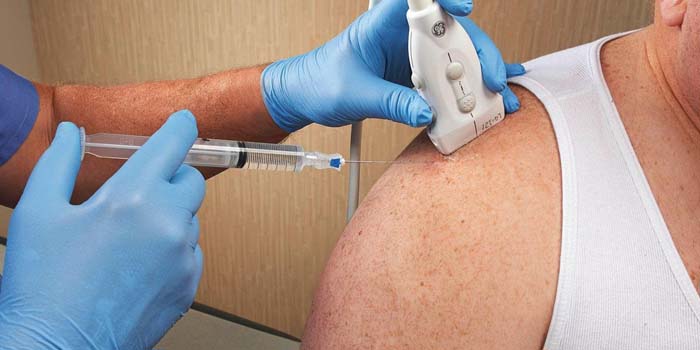
USG Guided Interventions test in kharghar
What Are USG Guided Interventions?
A short introductory section explaining how ultrasound guidance is used to locate the target area and guide a needle or catheter accurately during diagnostic or therapeutic procedures.
Naturally target USG in Kharghar here.
How Does an USG Guided Procedure Work?
Explain the general process:
- Patient positioning
- Ultrasound examination of the target area
- Skin preparation
- Local anaesthesia when required
- Real-time ultrasound guidance
- Needle/catheter placement
- Sample collection, injection, aspiration, or drainage
- Post-procedure observation
Common USG Guided Procedures
Create a consolidated section covering the procedures offered on the page:
- USG-guided FNAC
- USG-guided biopsy
- TRUS-guided prostate biopsy
- Fluid aspiration
- Abscess drainage
- Joint and tendon injections
Diagnostic Interventions
- FNAC (Fine Needle Aspiration Cytology) : Thin needle is inserted into the abnormal area under sonography guidance and sample is aspirated. Generally, no anaesthesia is required. e.g. Thyroid, neck, breast, liver, pancreas, etc.
- Biopsy: Wide bore needle (automated/semi-automated biopsy needle) is used to obtain tissue core sample from abnormal area. It is more accurate and has higher diagnostic yield. Generally most of the biopsies are done after giving local anaesthesia. General anaesthesia may be required in few cases (unco-opearative or paediatric patients). E.g. Liver, abdominal mass, breast lump, lymph node, muscle, kidney, etc.
- TRUS (Trans Rectal ultrasound Guided) 12 quadrant prostate biopsy: Generally done to rule out prostate cancer in patients with rising PSA (prostate specific antigen) or with hard prostate on per rectal digital examination. Performed under peri-prostatic block (anaesthesia). General anaesthesia may be required in few cases (unco-opearative patients).
- Pleural / ascitic / joint fluid / abscess aspiration: Abnormal fluid from chest, abdomen or other body part can be removed for assessment of the same to obtain a diagnosis.
Therapeutic Interventions
- Pleural / ascitic / joint fluid aspiration: Abnormal fluid from chest or abdomen to be removed for relieving the patient of breathlessness or discomfort.
- Liver/IntraAbdominal abscess removal / drainage: Pus from liver or within the abdomen is removed either by a needle or by inserting draining tube (Pigtail catheter or mallecot’s catheter).
- Joint / Tendon Injections: Analgesics or steroids are injected in the joint or tendon for pain relief.
Frequently Asked Questions
USG guided interventions are diagnostic or therapeutic procedures performed with real-time ultrasound guidance. Ultrasound helps the healthcare professional identify the target area and guide a needle or catheter accurately during procedures such as FNAC, biopsy, fluid aspiration, abscess drainage and injections.
USG guided FNAC, or Fine Needle Aspiration Cytology, uses a thin needle to collect cells from an abnormal area under ultrasound guidance. The sample may be taken from areas such as the thyroid, neck, breast, liver or pancreas and is generally sent for laboratory examination.
An ultrasound guided biopsy involves using a biopsy needle to obtain a tissue sample from an abnormal area while observing the procedure with ultrasound. Depending on the location and type of biopsy, local anaesthesia may be used.
TRUS stands for Trans Rectal Ultrasound. During a TRUS guided prostate biopsy, ultrasound is used to guide the biopsy needle while tissue samples are collected from the prostate. It may be recommended in certain patients based on clinical findings, such as an elevated PSA level or an abnormal prostate examination.
Depending on the clinical requirement, USG guidance may be used for sampling abnormalities involving the thyroid, neck, breast, liver, pancreas, lymph nodes, kidney, muscle and abdominal masses. The appropriate procedure depends on the location and characteristics of the abnormality